Pixels, Prizes and Platforms: How Digital Gaming is Creating the Next Generation of Entertainment
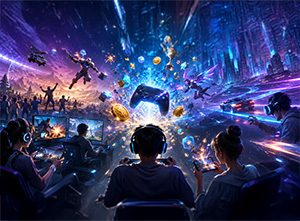
The boundaries between digital entertainment sectors are becoming increasingly blurred as online casinos, video games and streaming platforms compete for the same audiences looking for more immersive experiences. Rather than developing independently, these industries are borrowing ideas from one another, creating platforms that prioritize convenience, interactivity and long-term engagement.
The shift comes as the entertainment industry continues to expand. For businesses operating across digital gaming, that growth is creating fresh opportunities to attract audiences whose expectations continue to evolve. Companies are increasingly investing in new technology and interactive features to remain competitive as consumers spend more of their leisure time online.
According to PwC's latest Global Entertainment & Media Outlook, the global media and entertainment market reached $2.87 trillion in 2025 and is projected to grow to $3.08 trillion by the end of 2026. Much of that growth is being driven by digital experiences as consumers spend more time using connected devices for gaming, streaming and other forms of online entertainment.
Online casinos are increasingly part of that story. Once focused primarily on replicating traditional casino games online, operators are now investing in technology and features that reflect wider trends across digital gaming. Mobile optimization, live content and personalized experiences are becoming standard as platforms compete for attention in a crowded entertainment landscape.
One of the biggest drivers behind that evolution is mobile gaming. The sector now accounts for more than 50% of global video game revenue, showing how consumer expectations have shifted toward entertainment that is instantly accessible, regardless of location or device. For online casino operators, that means creating platforms that perform seamlessly across smartphones and tablets without compromising the quality of the experience. The shift has accelerated investment in responsive platforms, faster performance and seamless cross-device functionality, allowing players to move between desktop and mobile experiences with far fewer barriers than in previous years.
Borrowing from the wider gaming industry
Many of the features now shaping online casinos first gained popularity elsewhere in digital gaming. Live-service updates, achievement-style rewards, personalized recommendations and social features have become familiar to players across console, PC and mobile games, and similar ideas are increasingly influencing casino platforms.
Live dealer games are one example. By combining real-time streaming with traditional table games, operators are creating experiences that feel more interactive than earlier generations of online casinos. Multiplayer tournaments, loyalty programs and personalized promotions have also become more common as platforms look for ways to encourage long-term engagement rather than one-off visits.
The emphasis is no longer simply on offering a library of games. Instead, operators are investing in the overall player experience, from intuitive interfaces and faster load times to secure payment systems and responsible gaming tools. These developments show broader changes across digital entertainment, where user experience has become a key factor in attracting and retaining audiences.
The growing influence of mainstream gaming can also be seen in how casino platforms present their content. Cleaner interfaces, improved graphics and mobile-first navigation mirror design trends found throughout the wider gaming industry, making it easier for players to move between different forms of entertainment without a steep learning curve.
Competition extends beyond the casino industry
The rise of digital entertainment has also changed who online casinos are competing against. Rather than focusing solely on rival operators, today's platforms are also competing for consumers' leisure time alongside video games, streaming services and social media apps.
That has encouraged companies to think beyond traditional gambling experiences. Regular content updates, seasonal promotions, interactive events and personalized offers are becoming increasingly common as operators look to maintain engagement in an environment where consumers have countless entertainment options available at their fingertips.
As the sector continues to evolve, readers looking to stay informed often turn to platforms like Casino.org for its coverage of industry news, regulatory updates and technology trends. The pace of innovation shows how online casinos are increasingly becoming part of the wider digital entertainment ecosystem rather than operating as a separate market.
The merging of gaming and online casinos is also creating new opportunities for innovation. Advances in streaming technology, faster internet connections and improved mobile hardware continue to raise expectations for what digital platforms can deliver. In response, operators are introducing more interactive experiences that align with the standards players already expect from other forms of gaming.
Investment continues across the wider entertainment industry; the distinction between different digital platforms is likely to become even less defined. Video games, online casinos and streaming services are increasingly shaped by the same consumer demands for accessibility, personalization and immersive experiences.
The next generation of entertainment will not be defined by a single platform or technology. Instead, it will be shaped by how effectively companies combine pixels, prizes and platforms to create connected experiences that keep audiences engaged wherever they choose to play.
By GamesAndCasinoRelated News
-
Read Full Article
 Games & Casino News
ICONIC21 and Adwa Partner for Gaming Expansion
Games & Casino News
ICONIC21 and Adwa Partner for Gaming Expansion
ICONIC21 collaborates with Advabet to broaden gaming content distribution, connecting with Adwa's B2C brands before expanding to the B2B network.
-
Read Full Article
 Games & Casino News
State Crackdowns Put Sweepstakes Casino Terms Under Greater Scrutiny
Games & Casino News
State Crackdowns Put Sweepstakes Casino Terms Under Greater Scrutiny
Oklahoma's new restrictions on dual-currency sweepstakes casinos are due to take effect on November 1, 2026, adding to a growing list of states that have tightened their approach to the sector over the past two years.
The legal picture is changing quickly. Montana, New York, Indiana, Maine, Tennessee, California and Oklahoma have all taken legislative action, while other states have relied on regulators, attorneys general or existing gambling laws.
-
Read Full Article
 Gambling News
Gaming Lobby Open To Legalized Internet Gambling
The American Gaming Association (AGA) has released in a new policy statement that it is open to the idea of legalized internet gambling as long as the proper regulatory structure was enacted to protect consumers and the integrity of the game. However, while changing its stance on legalized internet gambling, it has still not endorsed any of the bills now before Congress.Internet gambling is estimated to be a $26 billion a year industry.AGA Chief Executive Officer Frqank fahrenkopf Jr.
Gambling News
Gaming Lobby Open To Legalized Internet Gambling
The American Gaming Association (AGA) has released in a new policy statement that it is open to the idea of legalized internet gambling as long as the proper regulatory structure was enacted to protect consumers and the integrity of the game. However, while changing its stance on legalized internet gambling, it has still not endorsed any of the bills now before Congress.Internet gambling is estimated to be a $26 billion a year industry.AGA Chief Executive Officer Frqank fahrenkopf Jr.